Mastering the Art of SEO-Friendly Website Design: Your Blueprint for Digital Success
Building an SEO-friendly website design is fundamentally about creating a digital space that search engines can easily crawl, understand, and rank, while also providing an exceptional experience for human visitors. It's not just about sprinkling keywords; it's about a holistic approach from the initial planning stages right through to ongoing content creation and technical optimization. When done right, your website becomes a powerful magnet for organic traffic, leading to more leads and conversions.
I've seen countless businesses spend fortunes on beautiful websites that, frankly, sink like a stone in search results. Why? Because they overlooked the foundational principles of SEO during the design and development phases. It's like building a gorgeous retail store in a hidden alleyway – nobody can find it!
Phase 1: The Strategic Blueprint – Planning Your SEO-Friendly Foundation
Before any code is written or a single pixel is placed, you need a robust plan. Think of this as the architectural drawing for your digital skyscraper. Skimping here guarantees headaches later.
1. Deep Dive into Keyword Research
This isn't just picking words; it's understanding user intent. What questions are your potential customers asking? What problems are they trying to solve? Tools like Ahrefs, SEMrush, or even Google's Keyword Planner can unearth valuable terms. Go beyond broad terms; look for long-tail keywords that indicate higher purchase intent.
2. Competitor Analysis: Learn from the Best (and Worst)
Who's dominating your niche in search? Analyze their website structure, content themes, and backlink profiles. What are they doing well? What gaps can you exploit? This isn't about copying; it's about identifying successful strategies and improving upon them.
3. Information Architecture (IA) and Site Structure
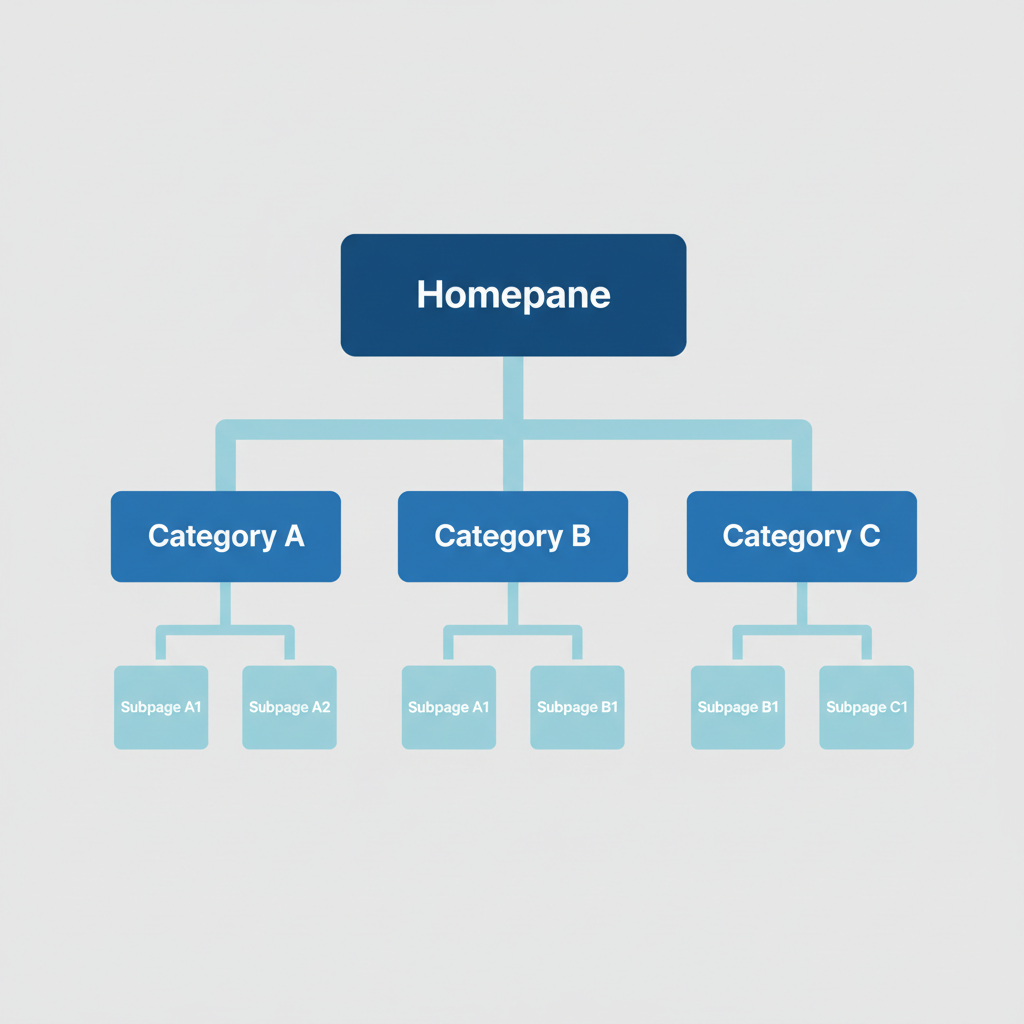
This is crucial for both user experience (UX) and search engine crawlers. A logical, hierarchical structure (e.g., Home > Category > Subcategory > Product/Service) helps users find information easily and allows search engines to understand the relationships between your pages. Aim for a shallow hierarchy – no more than 3-4 clicks to reach any page from the homepage. Creating a clear sitemap from the start is invaluable.
4. Mobile-First Approach
Google's mobile-first indexing means they primarily use the mobile version of your content for indexing and ranking. If your site isn't responsive and doesn't offer a stellar mobile experience, you're already at a disadvantage. It's not just about shrinking content; it's about optimizing layouts, touch targets, and load times for smaller screens.
Phase 2: Designing for Discovery – UX, UI, and On-Page SEO Elements
Now that you have your blueprint, it's time to bring it to life with design choices that inherently support SEO.
1. User Experience (UX) and Page Speed
Google loves websites that users love. A fast, intuitive, and engaging user experience directly impacts SEO. Slow loading times, confusing navigation, or poor readability lead to high bounce rates – a clear signal to search engines that your site isn't satisfying users. Compress images, leverage browser caching, and consider a Content Delivery Network (CDN). We often see well-designed portals reduce administrative work by 30-50% just by focusing on UX and speed.
2. Clear Calls to Action (CTAs) and Conversion Paths
While not a direct ranking factor, strong CTAs and clear conversion paths reduce friction for users. If users can easily achieve their goals (e.g., contact you, buy a product), they're more likely to spend time on your site, which sends positive signals to search engines. If you're looking for help optimizing your conversion paths, our AI Planner can help map out customer journeys.
3. On-Page SEO Elements Integrated into Design
- Header Tags (H1, H2, H3): Use these not just for styling, but for outlining your content hierarchy. Your H1 should contain your primary keyword.
- Image Optimization: Compress images without losing quality. Use descriptive alt text for every image – it helps visually impaired users and provides context for search engines.
- Schema Markup: Implement structured data (Schema.org) to help search engines understand your content better and potentially display rich snippets in search results. This can significantly boost click-through rates.
- Internal Linking Strategy: As you design pages, think about how they will link to each other. Strategic internal linking distributes 'link equity' and guides users and crawlers through your site.
Phase 3: The Technical Backbone – Ensuring Crawlability and Indexability
This is where the behind-the-scenes magic happens. A beautiful site is useless if search engines can't properly access and index its content.
1. Clean, Valid Code
Messy code can hinder crawling. Ensure your website uses clean HTML, CSS, and JavaScript. Avoid excessive reliance on JavaScript for core content if not properly rendered server-side, as it can sometimes be difficult for search engines to process.
2. SSL Certificate (HTTPS)
This is non-negotiable. Google uses HTTPS as a ranking signal. Plus, it builds trust with your users. If you don't have it, get it. Most hosting providers offer free SSL certificates now.
3. XML Sitemaps and Robots.txt
Your XML sitemap tells search engines which pages to crawl. Your robots.txt file tells them which pages not to crawl. Both are essential for efficient crawling and indexing. Make sure they are correctly configured and submitted to Google Search Console.
4. URL Structure
Keep URLs short, descriptive, and keyword-rich. Avoid long strings of random characters. For example, yourdomain.com/services/web-development is far better than yourdomain.com/categoryid=123&productid=456.
Imagine a mid-sized marketing agency that decided to launch a new service line: AI-powered content generation. They built a fantastic landing page, but they didn't think about URL structure, internal linking, or mobile responsiveness. The result? Despite great content, the page struggled to rank. We helped them restructure their URLs, integrate a robust internal linking strategy from their blog (like our AI Chatbots for Lead Generation guide), and ensure the site was truly mobile-first. Within two months, they saw a 40% increase in organic traffic to that specific service page. It's proof that foundational SEO during design makes a monumental difference.
Ongoing Optimisation: It Never Truly Ends
Designing an SEO-friendly website isn't a one-and-done deal. It requires continuous monitoring and adaptation. Regularly check Google Search Console for crawl errors, review your analytics for user behavior patterns, and keep an eye on algorithm updates. Regularly refreshing and expanding your content – perhaps with a blog that details topics like WhatsApp Automation for Small Business or even a pricing guide for local services – is crucial for sustained SEO success.
At Doosix, we believe in building digital assets that work hard for you. If a website doesn't attract your ideal customer and convert them into a lead or sale, it's just a digital brochure. Our approach to services emphasizes measurable outcomes, ensuring your SEO-friendly website design is a powerful tool in your business arsenal. If you're ready to build a website that not only looks great but also performs exceptionally in search, don't hesitate to connect with us. We'd love to show you examples from our portfolio.
Recommended Doosix Services
Tags
Frequently Asked Questions

Mohan, Founder of Doosix AI
AI Integration Specialist & Founder of Doosix AI. Leading automation architect with over 8 years of experience designing and deploying business automation systems.