Custom Software Development Cost in India: Budgets & Tech Stacks
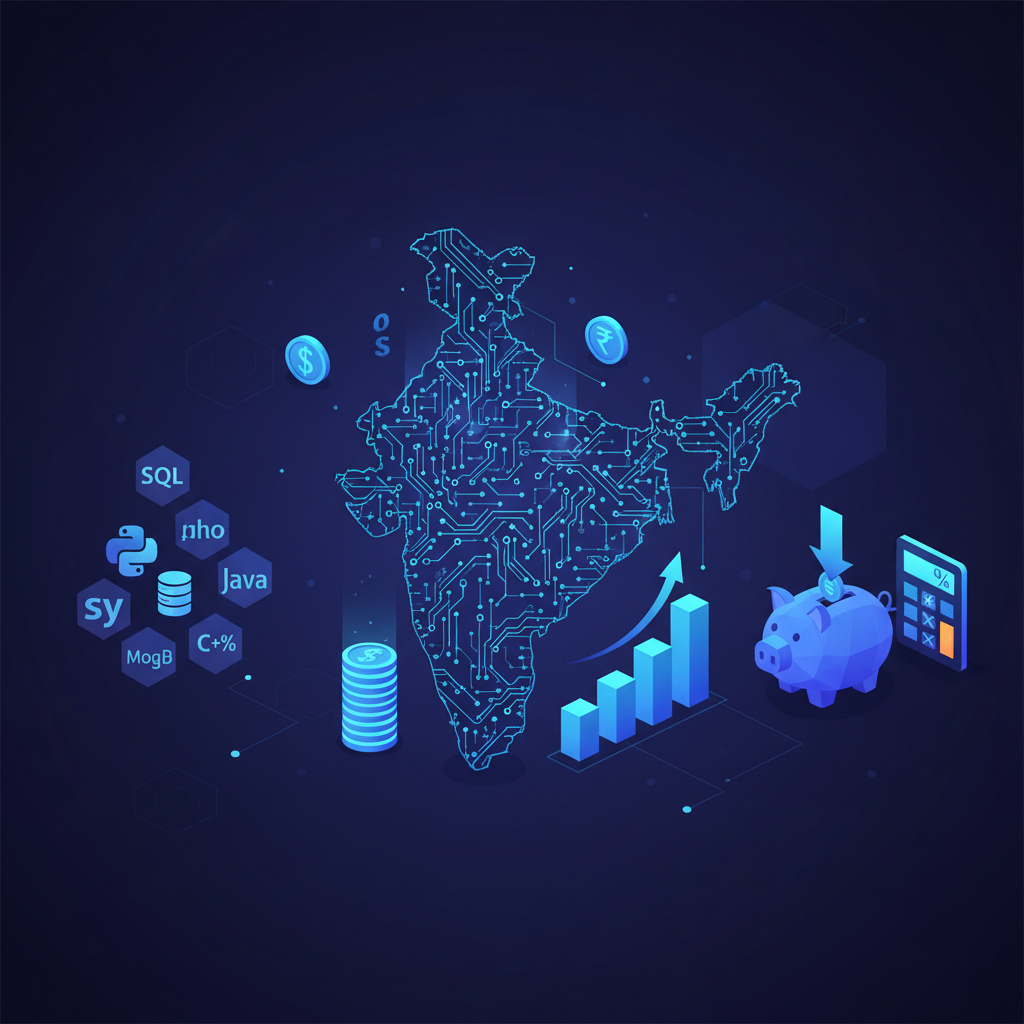
Custom software development in India isn't a one-size-fits-all expense; it's a dynamic investment shaped by a handful of critical factors like project complexity, chosen tech stack, team seniority, and the engagement model. While a simple mobile app might start at ₹5,00,000, a complex enterprise-grade system could easily climb into the crores, averaging anywhere from ₹15,00,000 to ₹75,00,000+ for a medium-sized project. Getting a transparent breakdown helps you budget effectively and ensures you're investing in a solution that truly delivers value.
Understanding the Cost Components
When you're looking at custom software development, especially in a market as diverse as India, it's easy to get lost in the numbers. I've seen too many businesses focus solely on the 'per hour' rate without understanding what truly drives the overall project cost. It's not just about labor; it's about the entire ecosystem of your project.
1. Project Complexity and Features
This is probably the biggest lever. A basic CRUD (Create, Read, Update, Delete) application? Much cheaper. A system integrating multiple third-party APIs, real-time data processing, AI/ML components, and robust security protocols? That's a different ball game entirely. Each feature, each integration, and each layer of business logic adds development time and, consequently, cost.
Imagine a mid-sized e-commerce business that wants a custom backend system to manage inventory, integrate with their existing ERP, and provide advanced analytics. They're not just building a website; they're building a data powerhouse. This kind of complexity demands more specialized developers, longer development cycles, and rigorous testing.
2. Tech Stack Selection
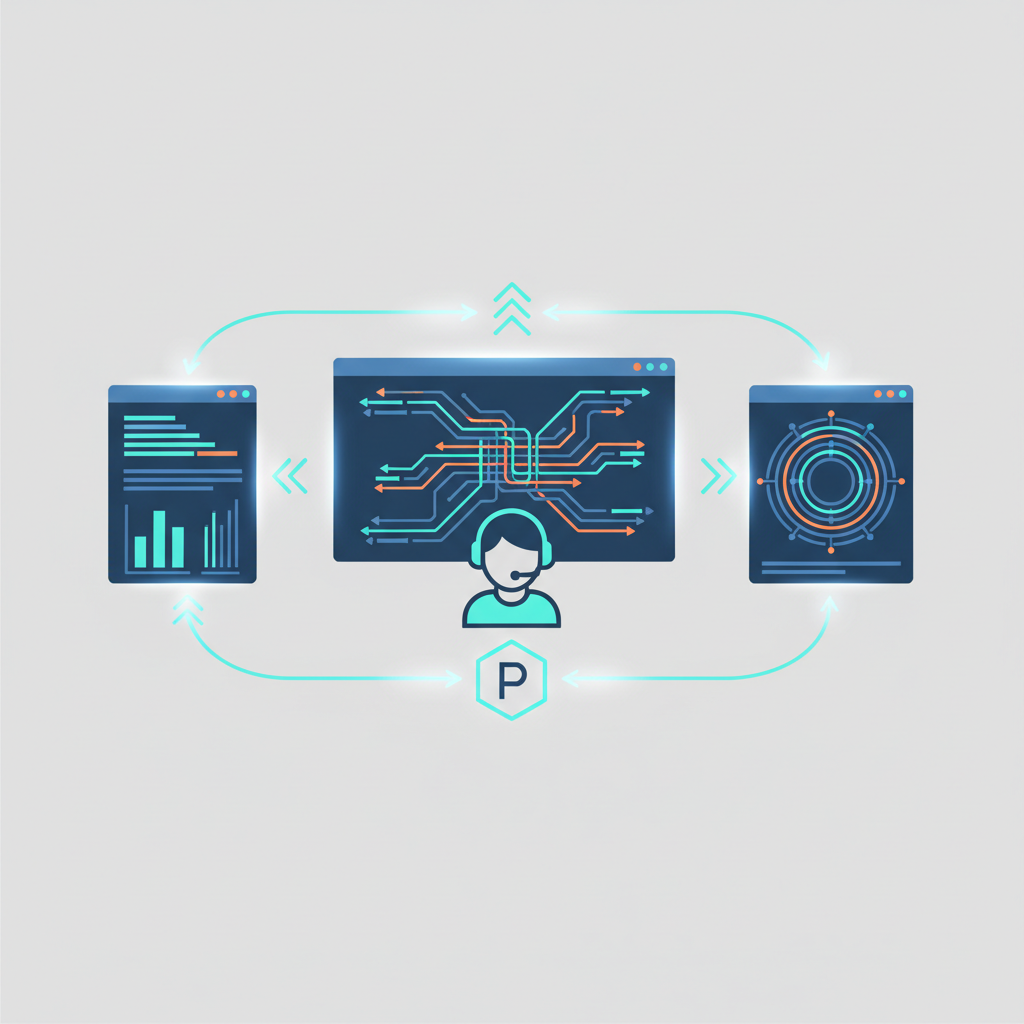
The technologies you choose make a huge difference. Are we talking cutting-edge Python with Django and React for a web app, or a more traditional PHP with Laravel? What about mobile – native iOS/Android or a cross-platform framework like React Native or Flutter? Frontend frameworks, backend languages, databases, cloud infrastructure (AWS, Azure, GCP) – each has its own learning curve, developer availability, and sometimes, licensing costs.
- Open Source vs. Proprietary: Generally, open-source technologies (like Linux, Python, MySQL) reduce direct licensing costs, but might require more custom configuration. Proprietary solutions often come with licensing fees but can offer more out-of-the-box features and support.
- Developer Availability & Demand: Niche or bleeding-edge technologies often mean fewer developers, which can drive up hourly rates. More common stacks might offer a wider talent pool and more competitive pricing.
For instance, developing a robust web application using a modern JavaScript framework like React or Angular will likely have a different cost profile than one built with an older, less maintained framework. We help businesses navigate these choices to find the right balance of performance, scalability, and cost-efficiency. If you're unsure which tech stack makes sense for your project, our AI Planner can offer some data-driven insights.
3. Development Team Size and Experience
This is straightforward: more people, or more experienced people, cost more. A senior developer with 8+ years of experience commanding a higher hourly rate than a junior developer fresh out of college. For complex projects, you'll need a mix: senior architects for crucial decisions, mid-level developers for core coding, and juniors for supporting tasks. Don't skimp on experience for critical parts of your project; it often leads to more bugs and refactoring down the line, costing more in the long run.
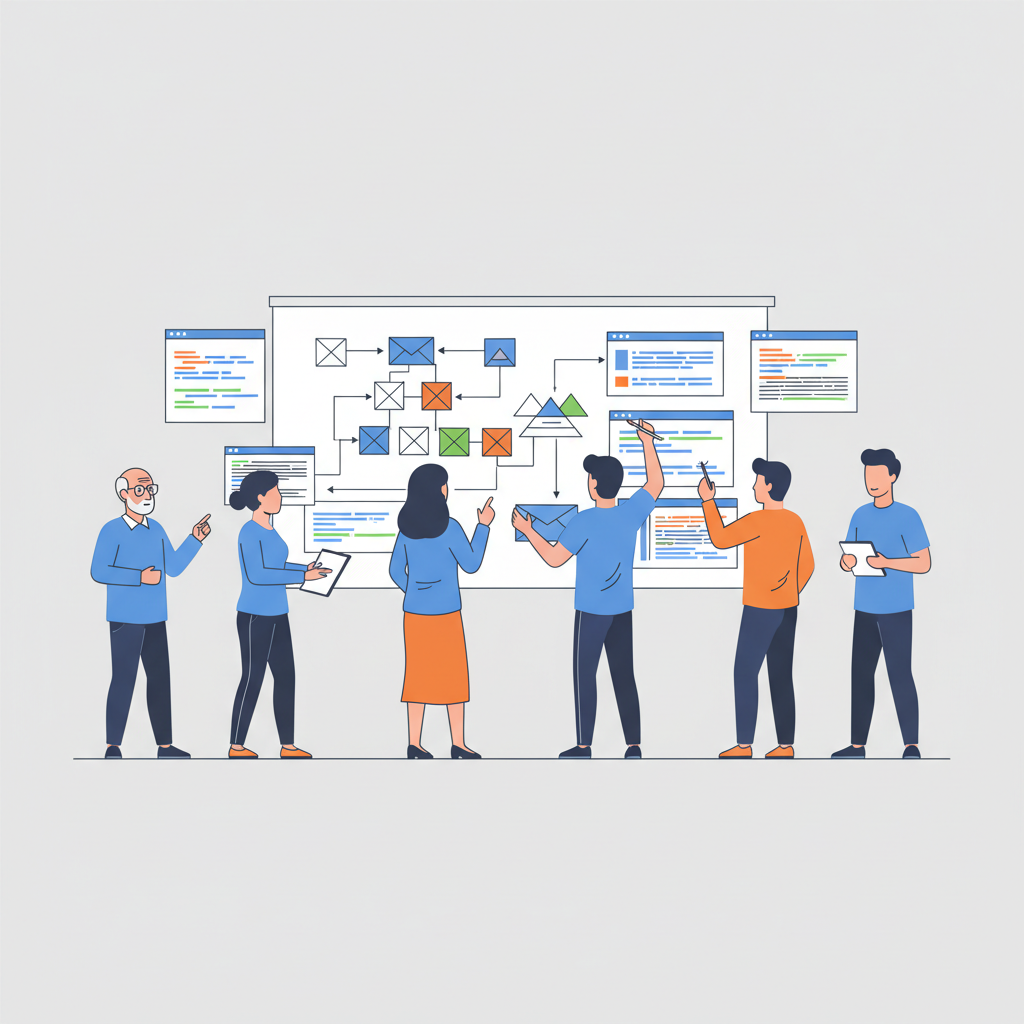
A typical team might include:
- Project Manager (essential for keeping things on track)
- UI/UX Designer (for a great user experience)
- Frontend Developer(s)
- Backend Developer(s)
- QA Engineer(s) (for quality assurance and testing)
- DevOps Engineer (for deployment and infrastructure)
4. Engagement Model
How you work with your development partner also influences the bill. The most common models are:
- Fixed Price: Best for projects with clearly defined requirements and minimal expected changes. The cost is agreed upon upfront.
- Time & Material: Ideal for projects with evolving requirements or where the scope isn't fully clear at the outset. You pay for the actual hours spent and resources used.
- Dedicated Team: You essentially hire a team that works exclusively on your project. Offers more control and flexibility, often billed monthly.
I usually recommend Time & Material for anything but the simplest projects. Requirements almost always shift, and you don't want to be locked into a rigid contract that penalizes necessary changes.
Average Cost Ranges for Custom Software Development in India
Let's talk numbers, keeping in mind these are broad averages. Your actual costs will vary, but this gives you a starting point.
- Small Projects (e.g., simple internal tools, basic websites): ₹5,00,000 - ₹15,00,000
- Medium Projects (e.g., moderately complex web apps, custom CRM/ERP modules, specific mobile apps): ₹15,00,000 - ₹75,00,000
- Large Projects (e.g., enterprise-grade solutions, complex platforms with AI/ML, multi-integrations): ₹75,00,000+
These figures often include design, development, testing, and initial deployment. Maintenance and ongoing support are usually separate agreements.
Maximizing Your ROI: Getting Value, Not Just a Low Price
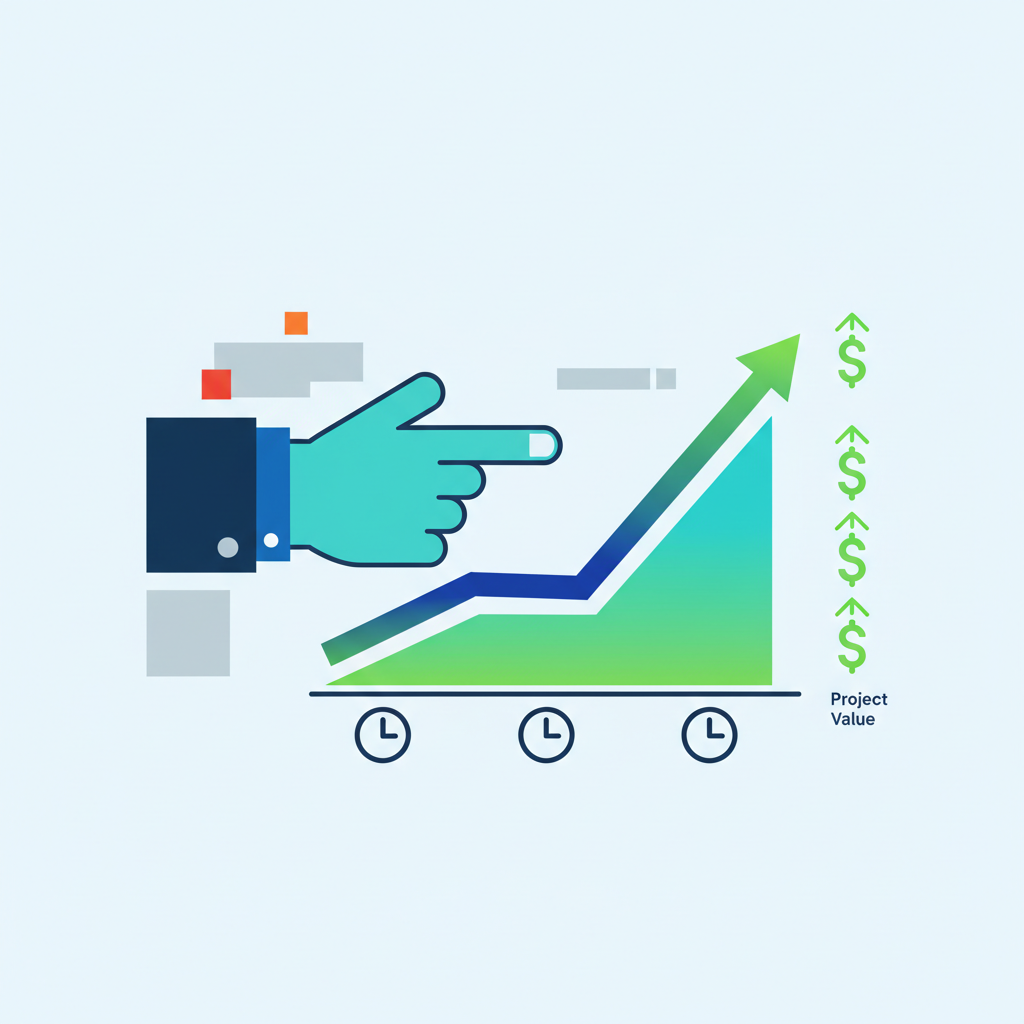
At Doosix, we don't believe in vanity metrics or empty dashboards. If a tool doesn't save you real hours in your workday or shave numbers off your operational costs, it's just noise. When we design custom CRM gateways for logistics teams, we aren't selling them a fancy admin skin; we're aiming to help logistics operators cut down manual dispatcher overhead by up to 40%. Direct, measurable value is the only metric that matters.
1. Clear Requirements & Scope Definition
This is non-negotiable. Ambiguity is the enemy of budget control. Spend adequate time defining exactly what you need and what the software should do. A detailed Functional Specification Document (FSD) and clear user stories can save you tons of money by preventing rework.
2. Prioritize Features (MVP First)
Don't try to build the Taj Mahal on day one. Identify the Minimum Viable Product (MVP) – the core set of features that provide immediate value. Launch, gather feedback, and then iterate. This approach not only helps control costs but also gets your solution to market faster. We often recommend this strategy when discussing new software development projects with clients.
3. Choose the Right Partner
This point is crucial. Look beyond just the hourly rate. Consider:
- Experience: Do they have a portfolio of similar projects? Check out our Portfolio page for examples of our work.
- Communication: How do they communicate? Are they transparent?
- Process: Do they follow an agile methodology? What's their QA process like?
- Post-Launch Support: What happens after the software is deployed?
4. Focus on Long-Term Maintainability
A cheaper initial build might lead to an expensive maintenance nightmare if the code quality is poor. Discuss coding standards, documentation, and scalability with your potential partners. A well-architected solution will pay dividends for years to come. For instance, robust WhatsApp automation solutions require careful planning to ensure they remain functional and scalable over time.
Ready to Plan Your Custom Software Project?
Understanding the intricacies of custom software development cost in India is the first step toward a successful project. It's about making informed decisions that align with your business goals and budget, ensuring you get a solution that truly empowers your operations. If you're ready to discuss your project and get a precise estimate tailored to your unique needs, don't hesitate to reach out. We're here to help you turn your vision into a measurable, valuable reality.
You can contact us for a detailed consultation.
Recommended Doosix Services
Tags
Frequently Asked Questions

Mohan, Founder of Doosix AI
AI Integration Specialist & Founder of Doosix AI. Leading automation architect with over 8 years of experience designing and deploying business automation systems.