Case Study: Deploying a Custom RAG AI Support Agent for TechFlow
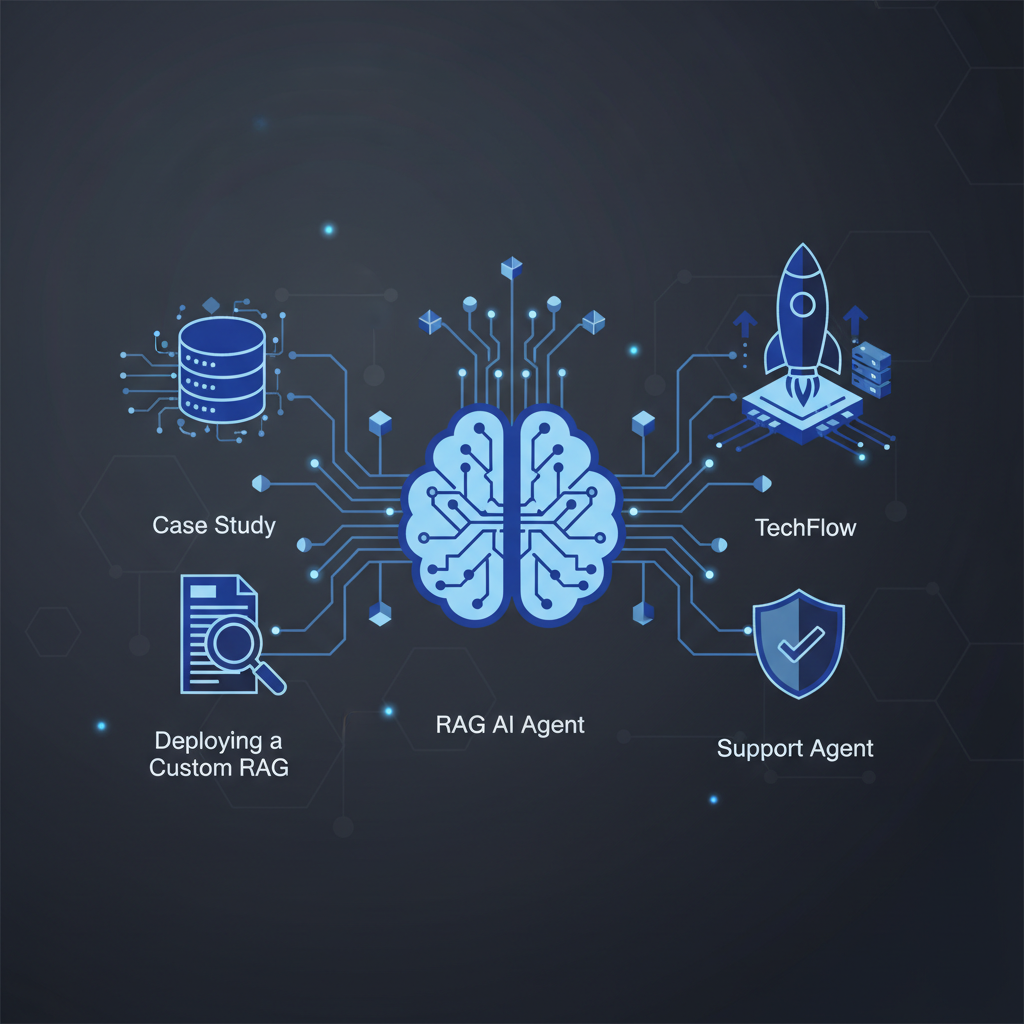
Deploying a Retrieval-Augmented Generation (RAG) AI support agent for a company like TechFlow isn't just about integrating a new tool; it's about fundamentally reshaping how they interact with their customers, drastically cutting down on support ticket backlogs, and providing instant, accurate answers. We're talking about reducing average first-response times from hours to seconds and significantly improving customer satisfaction scores.
At Doosix, we often see businesses grappling with an ever-increasing volume of customer inquiries. Traditional support models, relying heavily on human agents, struggle to scale efficiently without ballooning operational costs. We’ve found that a well-implemented AI solution, particularly one leveraging RAG, can be a real game-changer here. It's not just about automating conversations; it's about intelligent automation that *understands* and *responds* with contextually relevant, accurate information, pulled directly from a company's own data.
The TechFlow Challenge: Drowning in Support Tickets
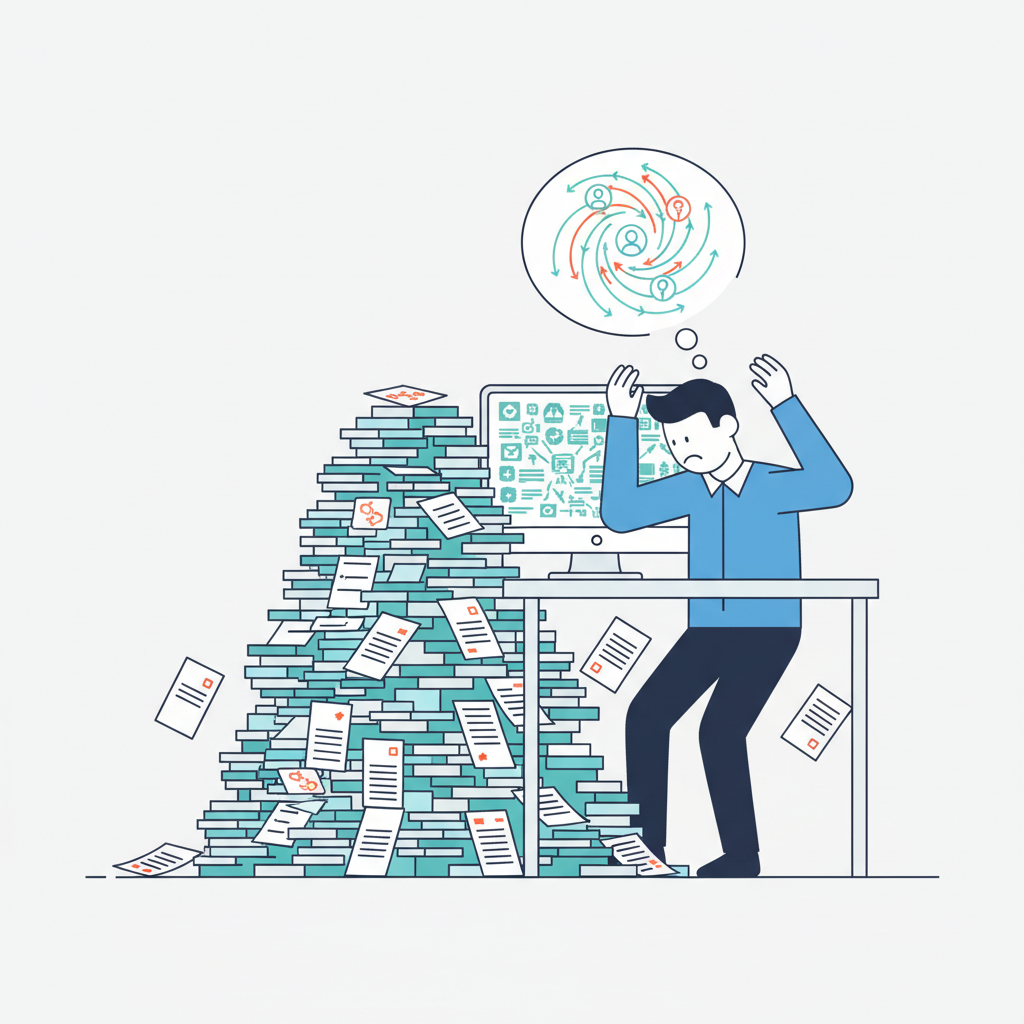
Imagine TechFlow, a rapidly growing SaaS company specializing in complex enterprise software. They built fantastic products, but their customer support team was constantly swamped. New product features, evolving user guides, and a diverse client base meant their agents spent an inordinate amount of time searching through sprawling internal wikis, old support tickets, and product documentation to find answers. Their average first-response time crept up to 3-4 hours during peak times, and resolution rates were stagnating. This wasn't sustainable, and it was starting to impact their customer retention.
They needed a way to empower their customers with immediate, accurate information, freeing up their human agents to tackle more complex, nuanced issues. This is where AI planning and custom solutions come into play.
Why Traditional Chatbots Fell Short (and RAG Stepped Up)
TechFlow had previously dabbled with basic chatbots, but they quickly hit limitations. These rule-based or simple Generative AI models often hallucinated, provided generic answers, or simply couldn't access the depth of information needed from TechFlow's proprietary knowledge base. They lacked the 'institutional memory' to be truly useful for complex software support.
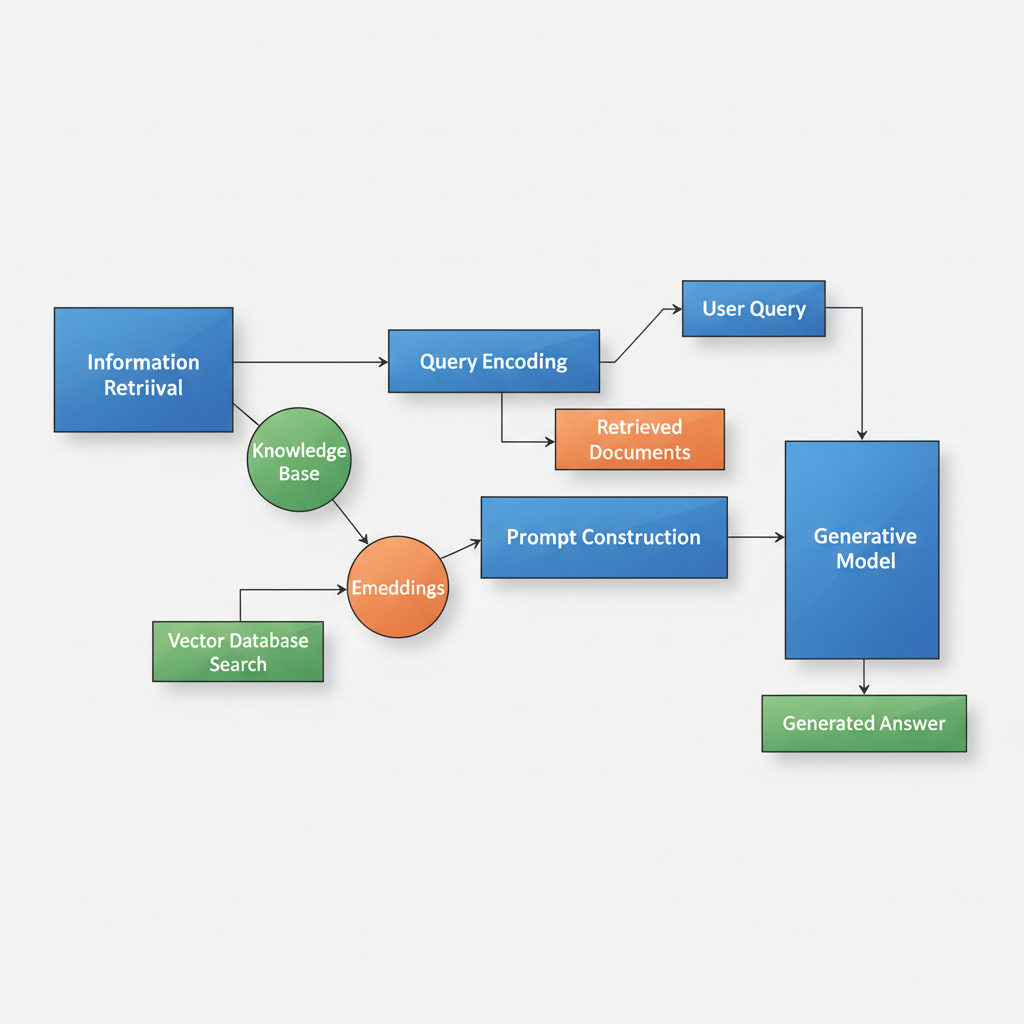
That's why we recommended a RAG-based approach. RAG, or Retrieval-Augmented Generation, combines the power of large language models (LLMs) with a robust information retrieval system. Instead of generating answers solely from its pre-trained data (which can be outdated or lack company-specific context), a RAG model first *retrieves* relevant information from a specific, curated knowledge base (TechFlow's documentation, FAQs, past support tickets, etc.) and then *generates* a response based on that retrieved information. It's like giving the AI a personal, perfectly indexed library to consult before speaking.
Our Solution: Building TechFlow's Custom RAG Agent
1. Knowledge Base Engineering
The first critical step was to ingest and process TechFlow's vast repository of information. This included:
- Thousands of product documentation pages
- Internal troubleshooting guides
- Historical support ticket data (anonymized, of course)
- FAQ sections from their website
- Developer API references
We indexed this data, chunked it intelligently, and converted it into a format easily searchable by the AI. This process, often called 'vectorization,' is crucial for accurate retrieval. We made sure to establish a clear hierarchy and tagging system, which significantly boosts retrieval accuracy.
2. Custom LLM Integration & Fine-tuning
While we leveraged a powerful base LLM, we fine-tuned it specifically for TechFlow’s domain. This meant training it on TechFlow’s specific terminology, product names, and common customer queries. This step is vital to ensure the AI speaks 'TechFlow's language' rather than generic internet-speak.
3. Building the Retrieval Mechanism
This is the 'R' in RAG. When a customer asks a question, our system first performs a semantic search across the vectorized knowledge base to pull the most relevant document snippets. This isn't just keyword matching; it understands the intent behind the query. For example, if a user asks 'How do I connect to the API?', the system retrieves documentation on API authentication, endpoint configuration, and common integration issues.
4. Generation and Refinement
Once the relevant context is retrieved, the LLM then uses this information to formulate a concise, accurate, and human-like response. We also implemented guardrails to prevent the AI from generating responses outside its knowledge base, directing users to human agents when necessary – because sometimes, you just need to talk to a person. Our custom AI solutions are always designed with these handoff points in mind.
The Impact: Tangible Results for TechFlow
The deployment of TechFlow's custom RAG AI support agent delivered impressive results:
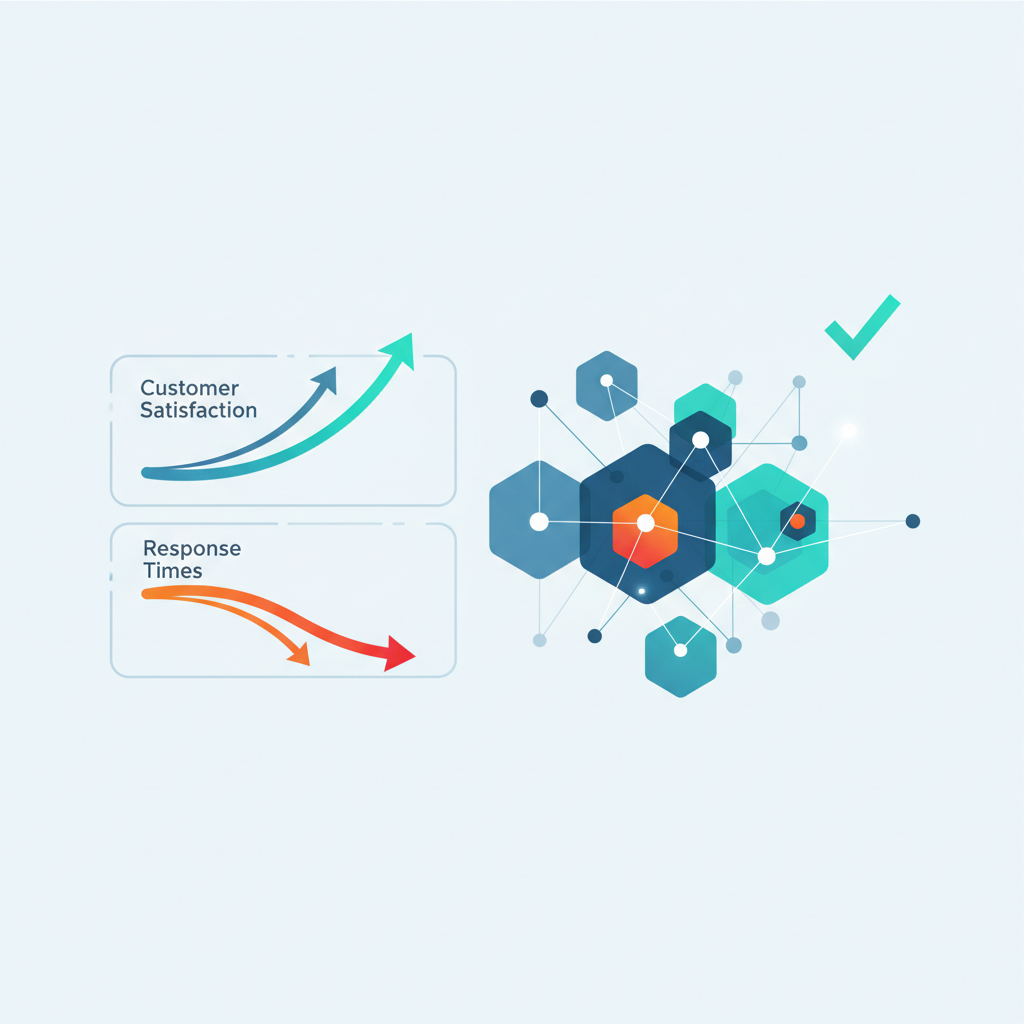
- Reduced First-Response Time: From an average of 3-4 hours to literally seconds for 70% of inquiries.
- Increased Resolution Rate: The AI successfully resolved approximately 45% of customer queries without human intervention, up from 10% with their old chatbot.
- Freed Up Human Agents: TechFlow's support team saw a 30% reduction in incoming simple tickets, allowing them to focus on complex technical issues and proactive customer outreach.
- Improved Customer Satisfaction: Early feedback indicated a significant uptick in satisfaction due to instant, accurate support.
- Cost Savings: While exact figures are proprietary, significantly reducing the load on human agents directly translates to operational cost efficiencies.
In our experience, a well-designed AI chatbot for customer support typically reduces administrative work by 30-50% and improves customer satisfaction by 15-25%. TechFlow's results are right in line with these expectations, if not exceeding them in certain areas.
Beyond TechFlow: Why Your Business Needs a Custom AI Support Agent
This case study with TechFlow beautifully illustrates the power of a customized RAG AI solution. It's not about replacing humans, but augmenting their capabilities and providing a superior, scalable customer experience. Whether you're in SaaS, e-commerce, or any service-oriented business, the principles remain the same: leverage your internal knowledge to serve your customers better, faster, and more efficiently.
We've also seen similar successes in lead generation, as highlighted in our post on AI Chatbots for Lead Generation: Complete Guide for Service Businesses. The underlying technology is extremely versatile.
Ready to explore how a custom AI support agent can transform your customer service? Reach out to Doosix today. We'd love to discuss your specific challenges and how our expertise can provide a measurable impact, just like it did for TechFlow.
Recommended Doosix Services
Tags
Frequently Asked Questions

Mohan, Founder of Doosix AI
AI Integration Specialist & Founder of Doosix AI. Leading automation architect with over 8 years of experience designing and deploying business automation systems.