AI Chatbots for Customer Support: Deflecting Tickets and Delivering Value
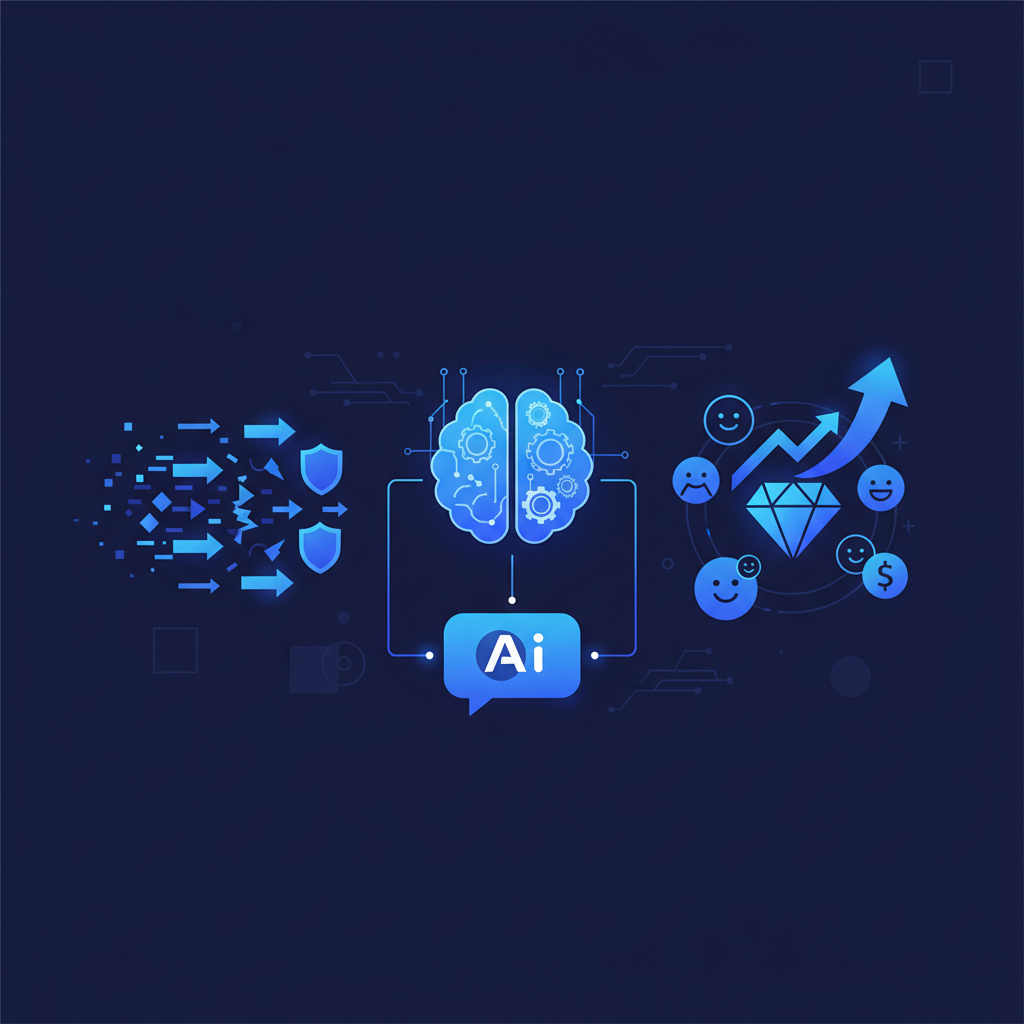
AI chatbots are revolutionizing customer support by automating responses to common queries, consistently deflecting between 30% and 70% of inbound tickets. This frees up human agents to focus on complex, high-value interactions, drastically reducing operational costs and improving overall customer satisfaction. Their ability to provide instant, 24/7 assistance means customers get answers faster, which, in our experience, directly translates to happier users and more efficient support teams.
Let's be real: no one enjoys waiting on hold or sifting through endless FAQs to find a simple answer. And for businesses, managing a constantly overflowing support inbox is a drain on resources. This is where AI chatbots don't just help; they fundamentally change the game.
The Real Cost of Customer Support
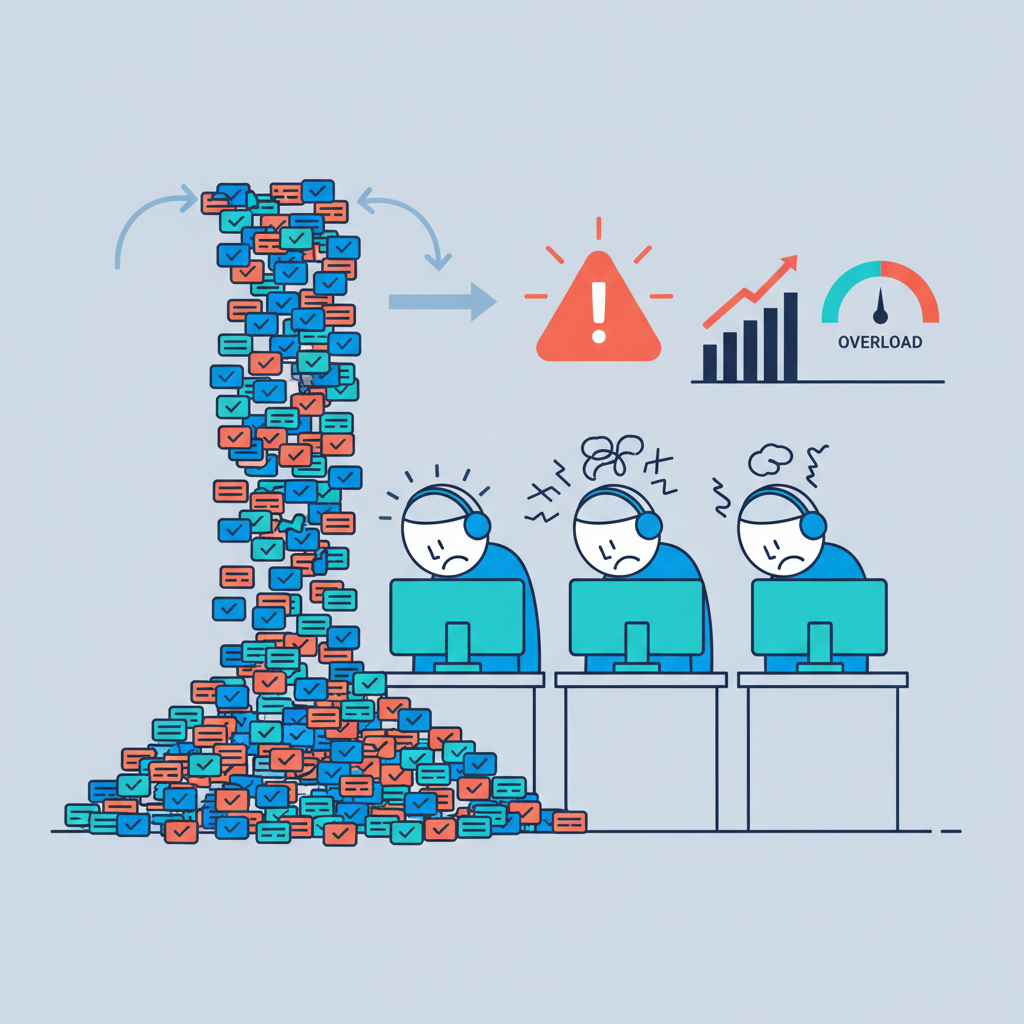
Think about a typical mid-sized e-commerce company, let's call them 'GadgetCo'. They're getting around 5,000 support tickets a month. About 60% of these are questions like 'Where's my order?' or 'How do I reset my password?' – routine stuff. Each of those interactions, even a quick email reply, costs money. We're talking agent salaries, training, software licenses, infrastructure. Suddenly, simple questions are eating into their profit margins.
Imagine if GadgetCo could automate just half of those routine inquiries. That's 1,500 tickets per month that never even reach a human. That's a massive saving in agent time, which they can then reallocate to proactive sales, complex issue resolution, or even product development. This isn't just about cutting costs; it's about optimizing resource allocation for better business outcomes.
How AI Chatbots Achieve Ticket Deflection
The magic of an AI chatbot lies in its ability to understand natural language and provide accurate, immediate responses. Here’s a breakdown of how they work their deflection magic:
1. Instant Answers to FAQs
This is the bread and butter of ticket deflection. Instead of an email, a phone call, or a live chat with a human, the bot can instantly pull information from your knowledge base. 'What are your shipping times?' 'How do I return an item?' 'Do you ship internationally?' These are prime candidates for chatbot automation. A well-trained bot can handle hundreds of these queries simultaneously, 24/7.
2. Guided Self-Service
Sometimes, a simple answer isn't enough. A chatbot can guide users through a process. For example, if someone wants to change their account details, the bot can walk them through the steps on your website, or even direct them to the precise settings page. This isn't just answering a question; it's enabling the customer to solve their own problem, which is incredibly empowering for them.
3. Proactive Information Delivery
Chatbots aren't just reactive. They can proactively offer help based on a user's browsing behavior. If a user spends a long time on a pricing page, the bot might pop up with 'Can I help you understand our pricing plans?' This can prevent a potential support ticket before it even forms, and even nudge a user towards a conversion.
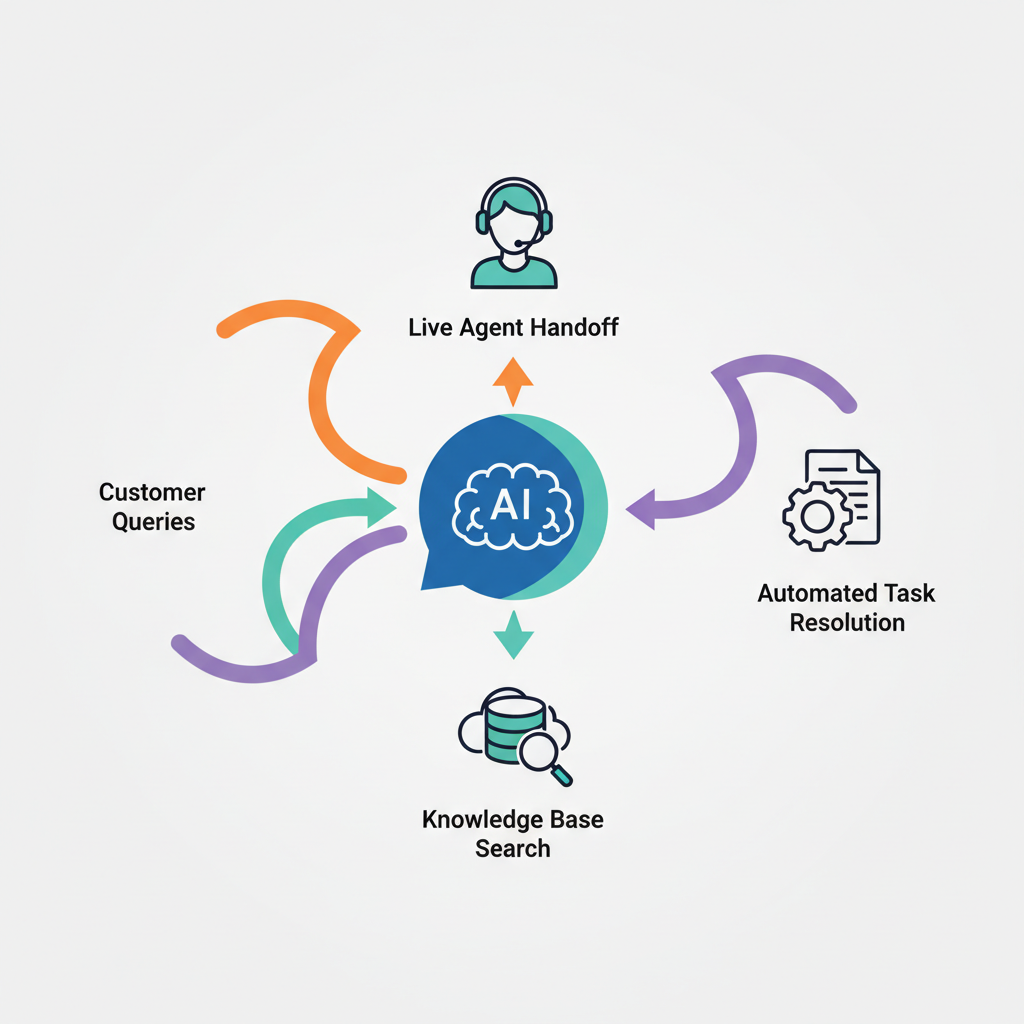
4. Intelligent Routing
Even when a chatbot can't fully resolve an issue, it plays a crucial role in intelligent routing. If a customer has a complex technical issue, the bot can gather initial information (account number, specific problem, previous attempts to solve) before seamlessly transferring them to the most appropriate human agent. This means the agent gets a pre-qualified ticket with all the necessary context, cutting down resolution time significantly. We've seen this alone shave 10-15% off average handling times.
Measurable Benefits Beyond Just Deflection
While ticket deflection is the star of the show, the ripple effects of integrating AI chatbots are extensive:
- Reduced Operational Costs: Fewer human agents are needed for routine tasks, leading to substantial savings.
- Improved Customer Satisfaction (CSAT): Instant responses, 24/7 availability, and quicker resolutions all contribute to happier customers.
- Enhanced Agent Productivity: Agents can focus on more challenging, rewarding tasks, reducing burnout and increasing job satisfaction.
- Consistent Brand Voice: Chatbots always deliver consistent, on-brand messaging, something even the best human agents can struggle with after a long shift.
- Scalability: Chatbots don't get tired or overwhelmed. They can handle an unlimited number of queries during peak seasons without additional hiring.
For more insights into how automation can transform your business, check out our guide on WhatsApp Automation for Small Business.
Implementing AI Chatbots: What to Consider
Getting a chatbot up and running isn't just about plugging it in. It requires careful planning and a strategic approach:
- Identify High-Volume, Repetitive Queries: Start by automating the questions that take up most of your support team's time.
- Build a Comprehensive Knowledge Base: The chatbot is only as good as the information it has access to. A robust, well-organized knowledge base is non-negotiable.
- Define Escalation Paths: Clearly outline when and how a chatbot should transfer a conversation to a human agent.
- Train and Refine: Chatbots aren't static. They need continuous training with real customer interactions to improve their accuracy and effectiveness.
- Start Small, Scale Up: Don't try to automate everything at once. Begin with a specific set of use cases and expand as you gain confidence and data.
At Doosix, we believe in solutions that deliver tangible value. If a tool doesn't genuinely save you time or cut down on unnecessary expenses, it's not worth your investment. That's why when we implement AI solutions like advanced chatbots, our focus is always on measurable outcomes – like reducing manual dispatcher overhead by 40% with custom CRM gateways. We're not just selling technology; we're selling efficiency and a better bottom line. If you're ready to explore how AI chatbots can transform your customer support, don't hesitate to reach out to us.
Recommended Doosix Services
Tags
Frequently Asked Questions

Mohan, Founder of Doosix AI
AI Integration Specialist & Founder of Doosix AI. Leading automation architect with over 8 years of experience designing and deploying business automation systems.