AI Automation for Small Business: Your Cost-Effective Implementation Guide

AI automation for small business isn't just a fantasy reserved for enterprise giants; it's a practical, cost-effective reality that can significantly cut operational expenses, boost efficiency, and free up your team for more strategic work. Our experience shows that with the right approach and a clear understanding of your pain points, even a lean operation can leverage AI to achieve substantial, measurable gains without needing a massive budget.
Many small business owners we speak with assume AI is either too complex or too expensive. I get it. The headlines often focus on multi-million dollar implementations, making it seem out of reach. But that's not the full picture. There are plenty of accessible, budget-friendly AI tools and strategies that can deliver a real return on investment quickly. We're talking about automating tasks that eat up hours every week, like customer support inquiries, data entry, or social media scheduling. These are prime targets for AI, and they don't require hiring a team of data scientists.
Identifying Your Automation Hotspots: Where AI Makes a Real Difference
Before you even think about specific tools, you've got to pinpoint where automation will have the biggest impact. Think about your business processes. What tasks are repetitive? Which ones are prone to human error? Where do your employees spend too much time on mundane work instead of focusing on growth? I always recommend starting small and targeting the processes that cause the most friction or consume the most resources.
Imagine a mid-sized marketing agency that spends 15 hours a week manually answering FAQs from prospective clients about their service packages. That's a huge time sink. Instead of an account manager fielding the same questions day in and day out, an AI chatbot could handle 80% of those inquiries instantly, 24/7. This frees up the account manager to focus on nurturing leads that are closer to conversion, creating new campaign strategies, or maintaining client relationships. That's real value, tangible time savings, and direct cost reduction.
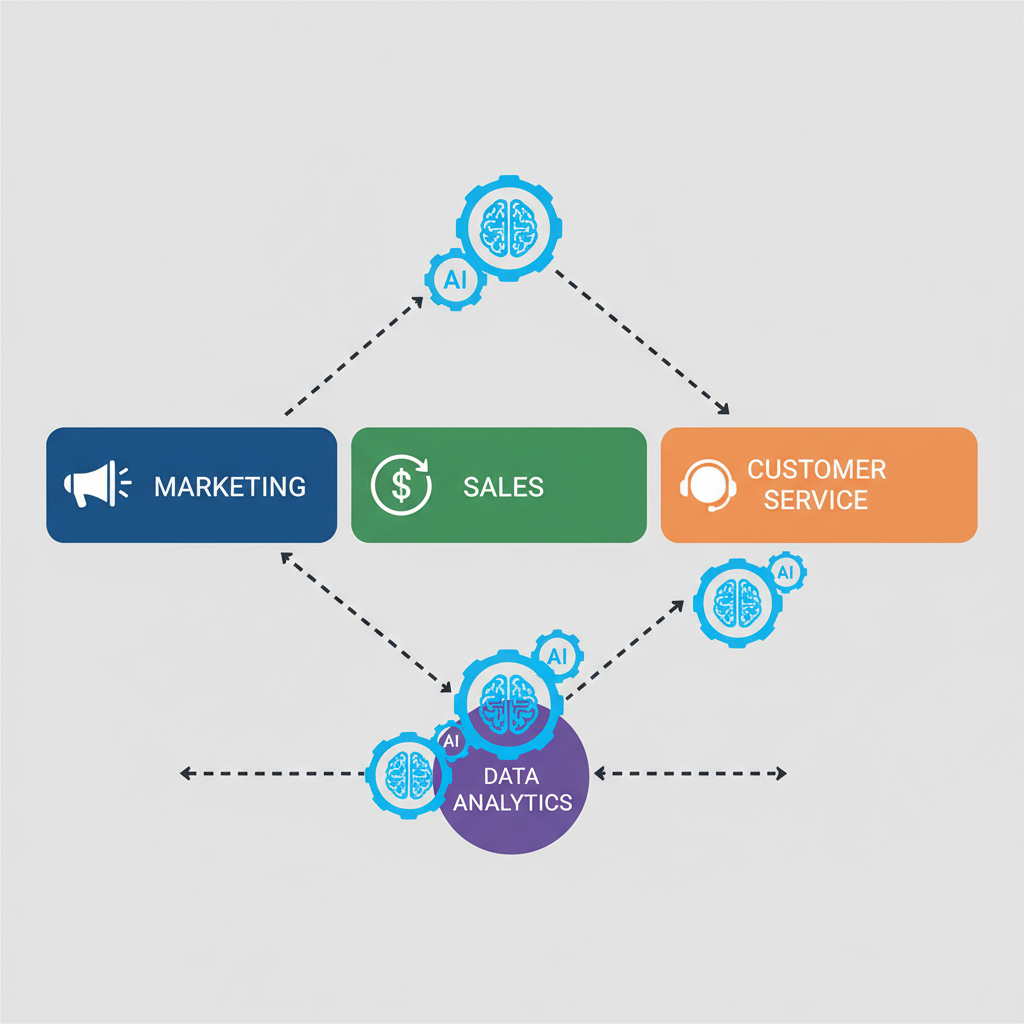
Common Areas Ripe for Small Business AI Automation:
- Customer Support: AI chatbots can handle common queries, provide instant answers, and route complex issues to human agents. This can significantly reduce response times and staff workload. Check out our detailed guide on AI Chatbots for Lead Generation for an in-depth look.
- Data Entry & Management: AI can extract information from documents, categorize data, and automate updates across different systems, cutting down on manual input errors and hours.
- Marketing & Sales: Personalized email campaigns, social media content generation, lead scoring, and even scheduling can be streamlined with AI.
- Administrative Tasks: AI can automate appointment scheduling, manage calendars, summarize documents, and even assist with basic report generation.
- Internal Communications: Tools that summarize long email threads or facilitate quicker information retrieval can boost team productivity.
Choosing the Right Tools: Budget-Friendly & Effective
When it comes to selecting AI tools, you don't need enterprise-level software with a five-figure annual price tag. Many platforms offer tiered pricing suitable for small businesses, often with free trials or freemium models to get you started. Look for tools that integrate easily with your existing software stack – your CRM, email marketing platform, or project management tools. This reduces implementation headaches and ensures a smoother workflow.
We've found that cloud-based 'Software as a Service' (SaaS) AI solutions are often the most cost-effective for small businesses. They require minimal upfront investment in hardware or infrastructure, and updates are handled by the provider. Think about tools like:
- Chatbot Platforms: Many offer drag-and-drop interfaces for building simple chatbots without coding. Some integrate directly with social media or messaging apps, like the solutions discussed in our WhatsApp Automation for Small Business post.
- AI Writing Assistants: For generating marketing copy, blog post outlines, or social media updates, these can save hours of writing time.
- Transcription Services: If your business deals with many meetings, interviews, or calls, AI transcription can turn audio into text in minutes, saving significant manual effort.
- Workflow Automation Platforms: Tools like Zapier or Make (formerly Integromat) aren't strictly AI, but they allow you to connect different apps and automate sequences of tasks, often with AI integrations.
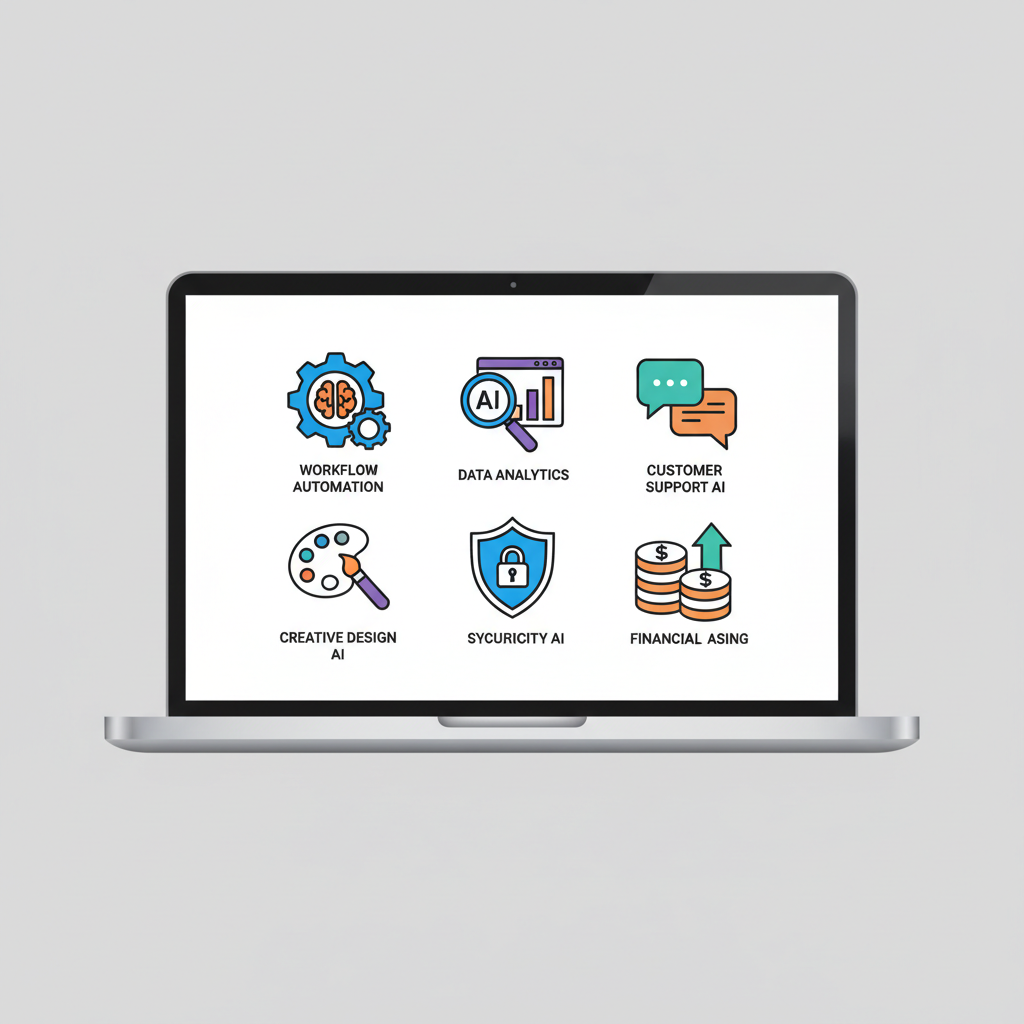
Implementing AI: A Step-by-Step, Cost-Conscious Approach
Getting started with AI automation doesn't have to be overwhelming. Here's a realistic roadmap:
1. Start Small & Define Clear Goals (Weeks 1-2)
Pick one specific, high-impact process to automate. Don't try to overhaul everything at once. For instance, if customer support inquiries are overwhelming, set a goal to reduce basic FAQ response time by 50% using an AI chatbot. Quantifiable goals are key.
2. Research & Pilot Budget-Friendly Tools (Weeks 2-4)
Look for tools that offer free trials or affordable entry-level plans. Test them out on your chosen process. Don't commit to long-term contracts until you've seen some initial success. For more complex needs or if you're unsure where to start, considering a consultation can save you time and money in the long run. Our AI Planner service can help you identify optimal solutions.
3. Train Your AI (and Your Team!) (Weeks 4-6)
AI tools aren't magic; they need data and guidance. If you're implementing a chatbot, you'll need to feed it your FAQs and typical customer responses. Equally important is training your team on how to interact with the new AI system and what their new, more strategic roles will be. Employees often fear automation will replace them; emphasize that it's about augmenting their capabilities.

4. Monitor, Evaluate, and Optimize (Ongoing)
Once your AI is live, don't set it and forget it. Track your metrics: Are customer response times improving? Has data entry error decreased? Is your team saving the projected amount of time? AI systems learn and improve, but they need human oversight and occasional adjustments. Continuously look for ways to fine-tune your automation for even better results. If you'd like to see real-world examples of how businesses like yours have implemented custom solutions, our Portfolio page showcases some of our projects.
The Doosix Perspective: Measurable Value Over Hype
At Doosix, we don't believe in vanity metrics or empty dashboards. If an AI tool doesn't save you real hours in your workday or shave numbers off your operational costs, it's just noise. For small businesses, every dollar and every minute counts. When we help design automation solutions, we're aiming for direct, measurable value. A well-designed portal, for example, typically reduces administrative work by 30-50%, freeing up staff for revenue-generating activities.
AI automation for small business isn't about futuristic robots taking over; it's about smart, strategic use of technology to make your business more efficient, more profitable, and ultimately, more competitive. It's about empowering your team by automating the tedious stuff so they can focus on what truly matters: growing your business and serving your customers better. If you're ready to explore how AI can specifically benefit your operations, don't hesitate to reach out to us. We're here to help you navigate the options and implement solutions that deliver tangible results.
Recommended Doosix Services
Tags
Frequently Asked Questions

Mohan, Founder of Doosix AI
AI Integration Specialist & Founder of Doosix AI. Leading automation architect with over 8 years of experience designing and deploying business automation systems.