AI Automation for Logistics: Streamlining Dispatch & Routes for Real Savings
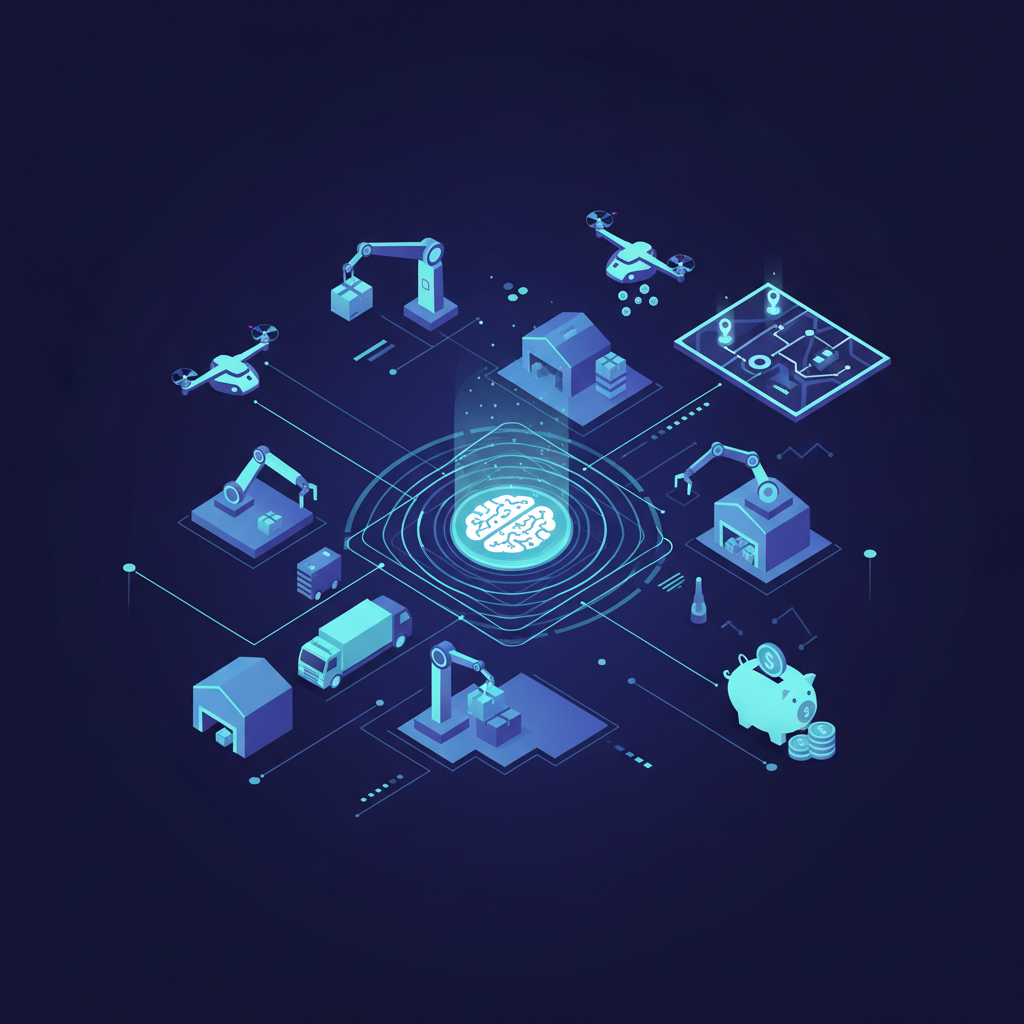
AI automation for logistics isn't just about fancy new tech; it's a proven strategy for slashing operational costs and dramatically improving efficiency in dispatch and route management. We've seen firsthand how integrating intelligent systems can transform what were once time-consuming, error-prone manual processes into seamless, optimized workflows, often leading to a 30-50% reduction in administrative work and a significant boost in on-time deliveries.
The Real Pain Points in Logistics Operations
Let's be honest, the logistics world often feels like a constant battle against the clock. Manual dispatching, especially for larger fleets, is a nightmare. You're juggling driver availability, vehicle capacity, delivery windows, traffic, and last-minute changes. It's a complex, dynamic puzzle that human dispatchers tackle daily, often relying on gut feeling and years of experience rather than data-driven insights. This isn't scalable, and frankly, it's inefficient.
Route planning suffers from similar issues. Without advanced tools, routes are often suboptimal, leading to wasted fuel, longer delivery times, and frustrated drivers. I've heard countless stories of dispatchers spending hours each morning trying to piece together the 'best' routes, only to have them fall apart midway through the day due to unforeseen circumstances. This isn't just an inconvenience; it's a direct hit to your bottom line.

How AI Automation Steps Up
Smart Dispatching: Beyond Handoffs and Spreadsheets
This is where AI Planner technology truly shines. Imagine a mid-sized delivery company that handles 200-300 deliveries daily across a metropolitan area. Historically, they'd have a team of three dispatchers constantly on the phone, updating spreadsheets, and manually assigning loads. This system was prone to errors, especially when a driver called in sick or a customer rescheduled.
With AI automation, that scenario changes entirely. The AI system ingests all relevant data: order details, driver schedules, vehicle types, traffic conditions, and delivery time windows. It then automatically assigns loads, taking into account all these variables to create the most efficient dispatch plan. If a driver suddenly becomes unavailable, the AI instantly recalculates and reassigns, minimizing disruption without human intervention. This kind of automation doesn't replace dispatchers; it empowers them, freeing them from reactive firefighting to focus on strategic oversight and customer service.
Route Optimization: Miles Ahead of Manual Methods
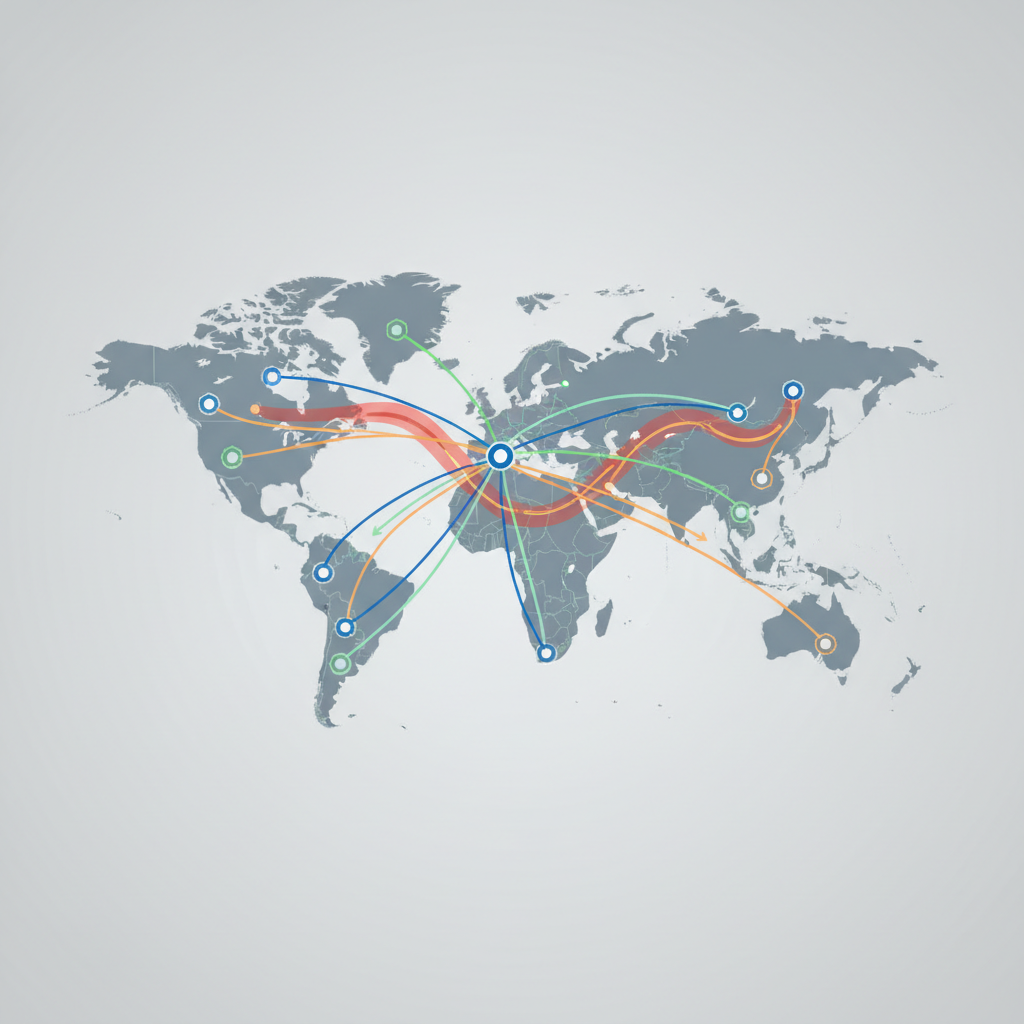
Route optimization is another huge win for AI. Traditional routing methods often rely on static maps or simple 'shortest distance' algorithms, which ignore real-world variables like peak hour traffic, road closures, or even the optimal sequence of stops for multi-drop routes. An AI-powered system, however, uses machine learning to analyze historical traffic patterns, real-time road conditions, weather forecasts, and even driver performance data.
It can generate dynamic, optimized routes that aren't just shorter, but faster and more fuel-efficient. We're talking about reducing fuel costs by 10-20% and improving delivery times by 15-25%. For businesses that run large fleets, these numbers translate into massive savings annually. It's not just about getting from A to B; it's about getting from A to Z, touching every point in the most efficient sequence possible.
Tangible Benefits You Can Bank On
- Significant Cost Reduction: We're talking about real money saved on fuel, maintenance, and reduced labor hours from less manual intervention. A well-implemented AI system can often pay for itself within months.
- Improved Efficiency: Faster deliveries, fewer delays, and better utilization of your fleet mean you can handle more volume with the same resources.
- Enhanced Customer Satisfaction: Accurate delivery estimates, fewer missed appointments, and quicker service lead to happier customers. This is crucial in today's competitive landscape where customer experience is king.
- Better Resource Utilization: AI helps ensure your vehicles are always loaded optimally and your drivers are on the most efficient paths, reducing deadhead miles.
- Data-Driven Decision Making: AI systems provide invaluable insights into your operations, highlighting bottlenecks and areas for continuous improvement.
At Doosix, we don't believe in vanity metrics or empty dashboards. If a tool doesn't save you real hours in your workday or shave numbers off your operational costs, it's just noise. When we design custom AI-powered solutions for logistics teams, we aren't selling them a fancy admin skin; we're aiming to help logistics operators cut down manual dispatcher overhead by up to 40%.
Integrating AI into Your Existing Setup
You might be thinking, "This sounds great, but how do I even start?" The good news is that integrating AI doesn't always mean a complete overhaul. Many modern AI solutions are designed to integrate seamlessly with existing Transportation Management Systems (TMS) or Enterprise Resource Planning (ERP) software. We often work with clients to create custom API integrations that allow their current systems to 'talk' to our AI tools.
A typical firm might encounter a scenario where they've invested heavily in a legacy TMS but it lacks advanced routing capabilities. Instead of ripping out the entire system, we'd build a custom integration that feeds their order data into an AI route optimizer and then pushes the optimized routes back into their TMS for execution. It's about augmenting, not necessarily replacing.
If you're looking to explore how AI can transform your logistics operations, don't hesitate to reach out to us. We can help you identify the specific areas where AI will deliver the most impact and walk you through the implementation process. We've also written about WhatsApp automation for small businesses, which can complement logistics communication, and website development costs for those looking to build a robust digital presence to support their operations.
The Future is Automated, and It's Here
The conversation around AI automation for logistics isn't about if it will happen, but when and how quickly businesses will adopt it. Those who embrace these technologies now will gain a significant competitive edge, enjoying lower costs, happier customers, and a more resilient supply chain. It's about working smarter, not harder, and letting AI handle the complex calculations so your team can focus on what they do best.
Recommended Doosix Services
Tags
Frequently Asked Questions

Mohan, Founder of Doosix AI
AI Integration Specialist & Founder of Doosix AI. Leading automation architect with over 8 years of experience designing and deploying business automation systems.